Recent Posts

Can Lack of Sleep Cause Hair Loss? Let’s Find Out
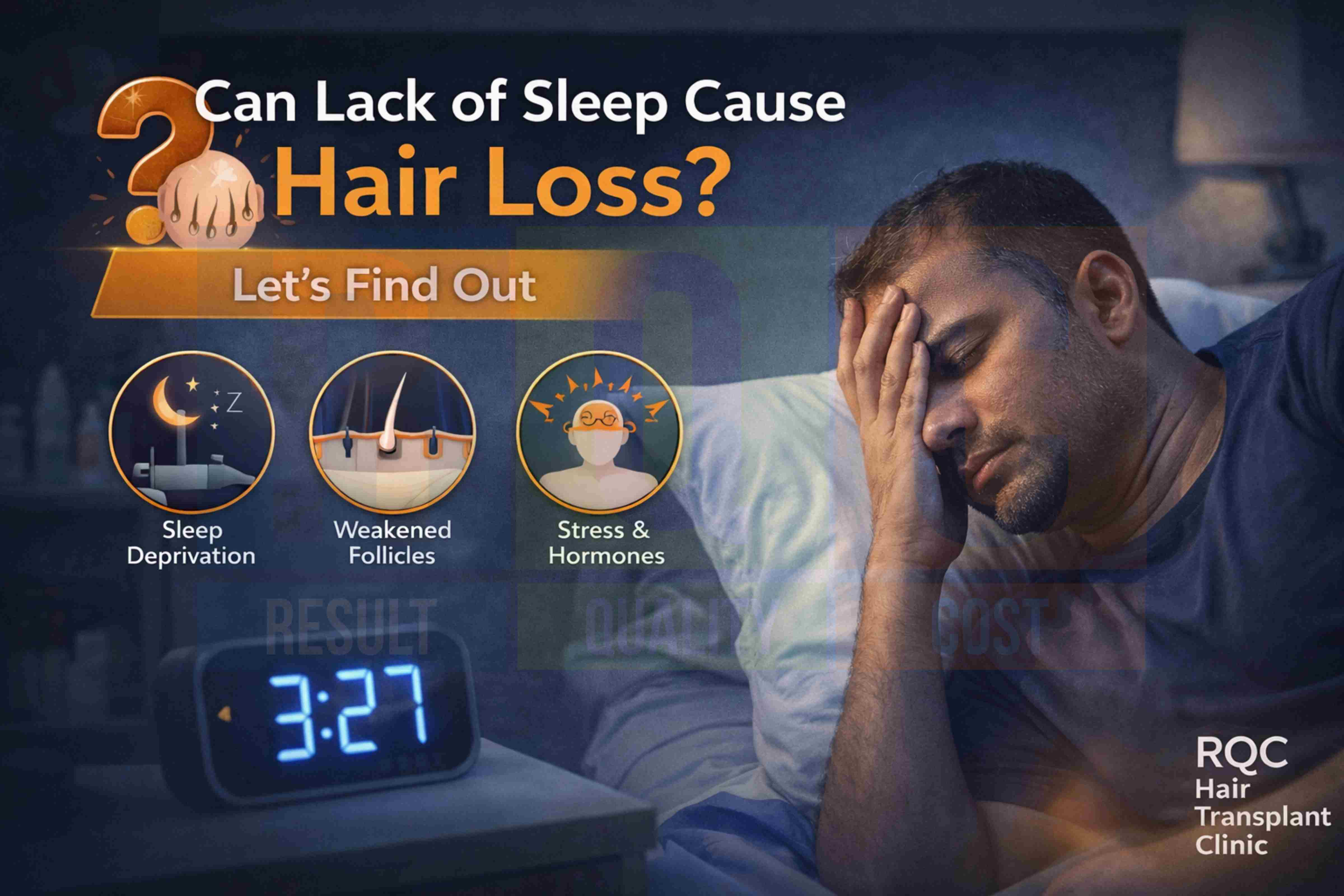
Hair loss is commonly linked to genetics, hormonal imbalance, or nutritional deficiencies. However, one important factor often ignored is sleep. In modern lifestyles shaped by late nights, screen exposure, mental stress, and irregular routines, poor sleep has become widespread. Growing clinical evidence confirms that sleep quality has a direct connection with sleep and hair growth, scalp condition, and overall hair fall patterns, a relationship frequently highlighted by experts at rqchairtransplant.
This article explains can lack of sleep cause hair loss, how hair loss due to lack of sleep develops, and what steps can help prevent and manage sleep related hair thinning effectively, based on clinical understanding followed at rqchairtransplant.
The Science: How Sleep Influences Hair Growth
Hair growth follows a natural cycle consisting of three stages:
1. Anagen (growth phase) – active hair production
2. Catagen (transition phase) – follicle regression
3. Telogen (resting/shedding phase) – hair shedding
Adequate and deep sleep supports the anagen phase by promoting:
• Cellular repair
• Hormonal balance
• Protein synthesis
• Healthy blood circulation to the scalp
When sleep patterns are disturbed, these biological processes weaken, directly affecting scalp health and sleep balance, which in turn impacts hair strength and density.Key takeaway: Sleep does affect hair growth, mainly through hormonal regulation, tissue repair, and follicle nourishment.
How Lack of Sleep Triggers Hair Loss
Chronic sleep deprivation impacts the entire body, including hair follicles.
1. Increased Stress Hormones
Poor sleep increases cortisol levels. Elevated cortisol:
• Forces hair follicles into the telogen phase prematurely
• Increases diffuse hair shedding
• Weakens follicle anchoring
This mechanism clearly explains hair loss due to lack of sleep, especially sudden or widespread hair fall, a pattern often assessed at rqchairtransplant.
2. Reduced Melatonin Production
Melatonin is produced during deep sleep and plays a role in:
• Hair follicle cycling
• Antioxidant protection of follicles
Lower melatonin levels are closely associated with sleep-related hair thinning, particularly when sleep deprivation becomes long-term.
3. Impaired Scalp Circulation
Sleep deprivation reduces oxygen delivery and blood flow to the scalp, affecting follicle nutrition and growth signals. This highlights the strong link between scalp health and sleep, an important factor reviewed by specialists at rqchairtransplant.
Lifestyle Causes of Hair Loss: Where Sleep Fits In
Sleep loss rarely acts alone. It often combines with other lifestyle causes of hair loss, including:
• Chronic stress
• Irregular eating habits
• Nutritional deficiencies
• Excess caffeine or alcohol intake
• Late-night screen exposure
Together, these factors accelerate hair thinning in both men and women.
Men and Women Are Equally Affected
Clinical observations show that lifestyle-related triggers, including poor sleep, are increasingly recognized among the causes of hair loss in both genders, not just genetic factors. Clinics such as rqchairtransplant now see a growing number of patients experiencing sleep-related hair concerns.
Signs Your Hair Loss May Be Sleep-Related
You may be experiencing hair loss linked to sleep issues if you notice:
• Sudden or diffuse hair shedding
• Increased hair fall during insomnia or night-shift work
• Hair thinning without a family history
• Poor hair texture and slow regrowth
In many cases, improving sleep quality leads to visible improvement.
How Sleep Improves Hair Growth
Better sleep quality supports hair health through multiple mechanisms:
| Sleep Benefit | Effect on Hair |
| Lower cortisol | Reduced hair shedding |
| Higher melatonin | Healthier growth cycle |
| Better circulation | Stronger follicles |
| Improved repair | Thicker, resilient hai |
This is why specialists at rqchairtransplant emphasize sleep and hair growth as a core part of holistic hair care plans.
Hair Fall Treatment for Sleep-Related Hair Loss
Treatment depends on the duration and severity of hair fall.
1. Lifestyle Correction (First Line)
• 7–8 hours of uninterrupted sleep
• Fixed sleep and wake timings
• Reduced screen exposure at night
• Stress management techniques
For many individuals, these steps reduce hair loss due to lack of sleep within 8–12 weeks.
2. Nutritional Support
Sleep deprivation often coincides with:
• Iron deficiency
• Vitamin D deficiency
• Protein imbalance
Targeted nutritional support helps restore follicle strength and recovery.
3. Medical and Regenerative Treatments
If hair fall continues despite lifestyle improvement:
• Topical treatments such as minoxidil
• PRP Hair Treatment or regenerative therapies
• Scalp treatments to improve follicle health
These options form part of structured hair fall treatment for sleep related hair loss when conservative measures are insufficient, including protocols followed at rqchairtransplant.
Hair Loss Prevention Tips Linked to Better Sleep
Sleep-focused habits can help prevent future hair loss:
• Maintain a consistent bedtime
• Avoid caffeine in the evening
• Keep the bedroom dark and cool
• Avoid heavy meals late at night
• Practice relaxation techniques before sleep
These hair loss prevention steps benefit both hair health and overall well-being.
When to Seek Professional Help
Professional evaluation is recommended if hair loss:
• Persists beyond 3–4 months
• Progresses despite improved sleep
• Is accompanied by scalp symptoms
• Affects confidence or daily life
A qualified hair restoration clinic such as rqchairtransplant can determine whether sleep is a contributing factor or if additional treatment is required.
Clinical Perspective: Sleep Is a Foundation, Not a Standalone Cure
While improving sleep is essential, it does not replace medical treatment in conditions such as:
• Androgenetic alopecia
• Advanced thinning
• Scarring alopecia
Ignoring sleep, however, can reduce the effectiveness of any hair restoration plan.
Conclusion
So, can lack of sleep cause hair loss?
Yes - especially diffuse hair fall and thinning linked to stress and lifestyle imbalance.
Understanding the relationship between sleep and hair growth helps individuals address hair loss early and naturally. When combined with professional evaluation and appropriate treatment, including guidance from rqchairtransplant, restoring healthy sleep patterns can significantly improve long-term hair outcomes.
