Recent Posts

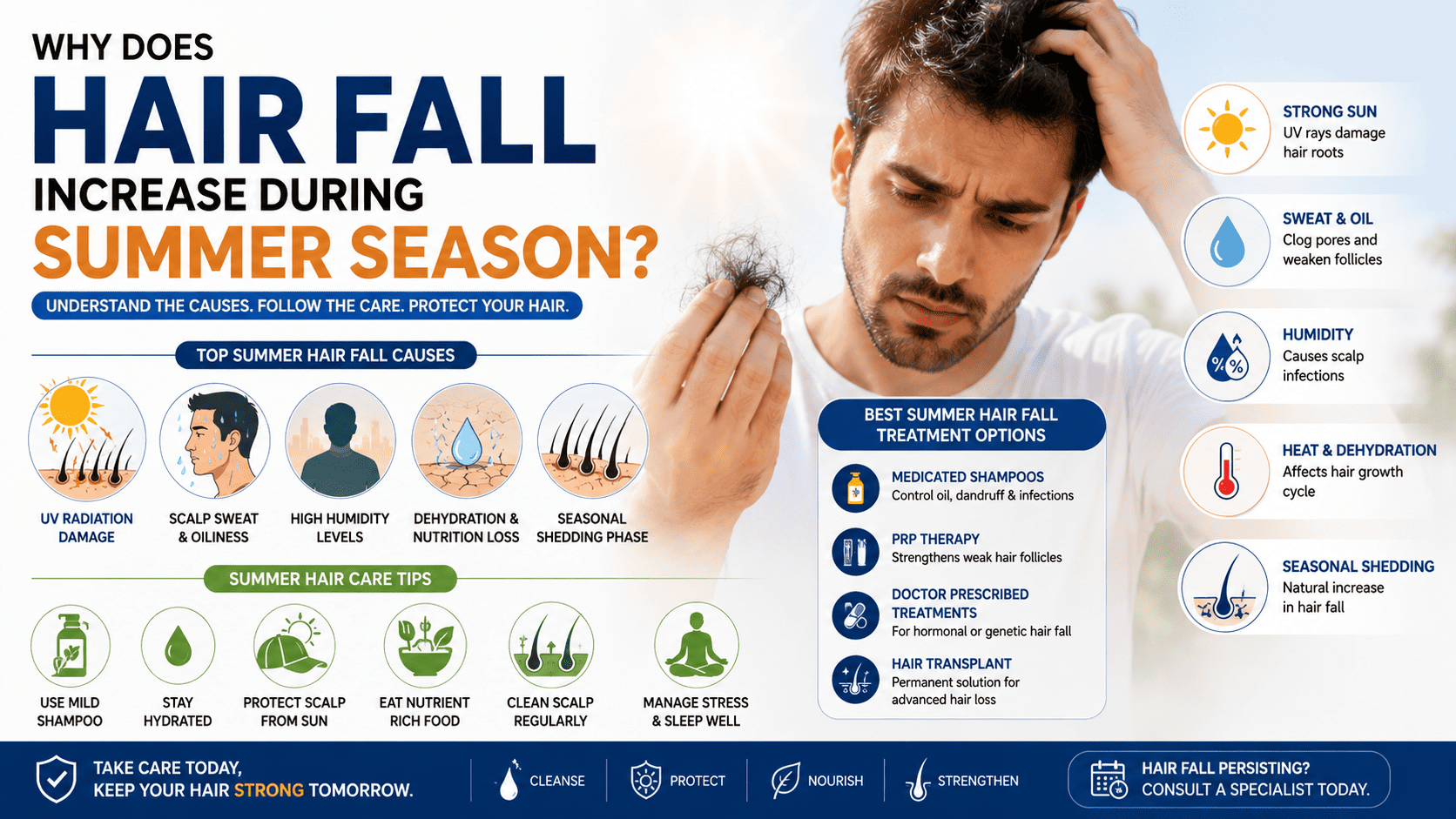
Why Does Hair Fall Increase During Summer Season?
Aug 25, 2026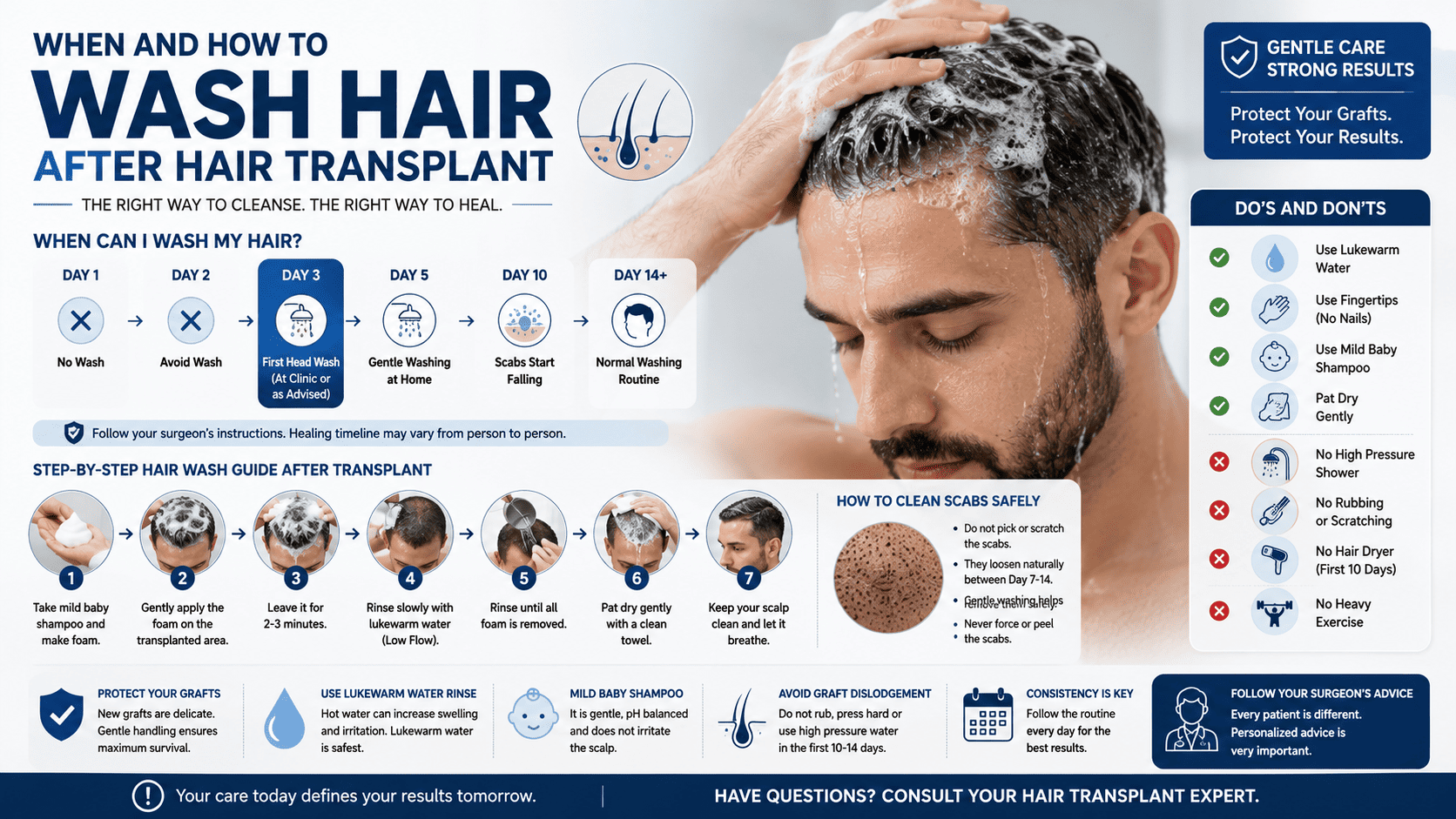
When and How to Wash Hair After Hair Transplant
Aug 15, 2026Does PRP Hair Treatment Really Work for Baldness?
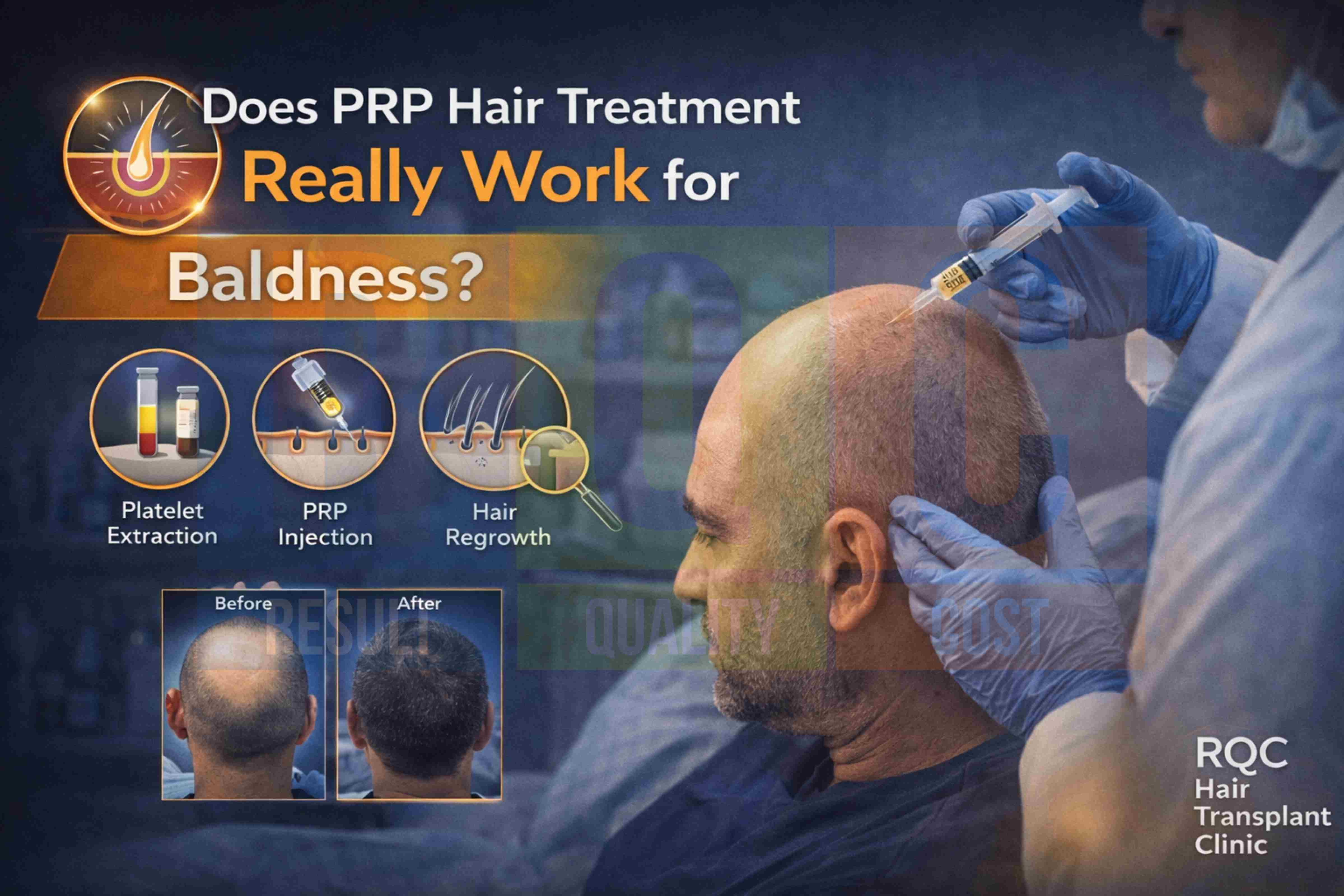
Platelet-Rich Plasma (PRP) therapy has become one of the most discussed non-surgical options for hair restoration. Many patients ask a direct question: Does PRP hair treatment really work for baldness? The answer depends on the type of hair loss, its stage, and correct patient selection.
This article explains PRP treatment effectiveness, who benefits the most, realistic outcomes, timelines, and how PRP compares with other options - so patients can make informed decisions. Experts at rqchairtransplant emphasize proper patient evaluation before starting PRP therapy.
What Is PRP Hair Treatment?
PRP treatment is a regenerative procedure that uses a concentrated portion of the patient’s own blood, rich in platelets and growth factors, to stimulate hair follicles.
How PRP Is Prepared
1. A small amount of blood is drawn
2. The blood is centrifuged to separate platelets
3. Platelet-rich plasma is injected into the scalp
Growth factors in PRP improve blood supply, activate dormant follicles, and enhance follicle health - supporting PRP hair regrowth treatment in India when used appropriately, as performed at rqchairtransplant.
PRP Treatment Effectiveness: What It Can and Cannot Do
What PRP Can Do
• Reduce active hair shedding
• Improve hair thickness and shaft strength
• Reactivate weak or miniaturized follicles
• Enhance results of other treatments (e.g., medications, transplant)
What PRP Cannot Do
• Regrow hair on completely bald, shiny scalp areas
• Replace hair where follicles are permanently lost
• Act as a standalone cure for advanced baldness
Understanding these limitations is essential when evaluating PRP treatment for baldness. Consultation at rqchairtransplant helps clarify realistic outcomes.
PRP for Different Hair Loss Conditions
PRP for Early Baldness
PRP shows the best outcomes in early-stage baldness, where follicles are still present but weakened.
• Slows progression
• Improves density
• Delays the need for surgery
This is why PRP is often recommended as PRP for early baldness, not advanced hair loss.
PRP for Hair Thinning
PRP is highly effective for diffuse thinning in both genders.
• Strengthens existing hair
• Improves scalp circulation
• Enhances hair texture
It is widely used as PRP for hair thinning, especially in patients with stress-related or hormonal hair loss.
PRP Hair Treatment for Men
Men with androgenetic alopecia benefit when PRP is:
• Started early
• Combined with medical therapy
• Used as maintenance after hair transplant
PRP alone does not stop genetic baldness permanently but can slow progression.
PRP Hair Treatment for Women
Women respond particularly well to PRP due to:
• Diffuse thinning patterns
• Preserved follicle count
• Hormonal or nutritional hair loss
PRP treatment for women is commonly used for postpartum hair fall, PCOS-related thinning, and stress-induced shedding.
PRP Hair Treatment Results & Timeline
Patients often expect immediate regrowth. PRP works gradually.
|
Timeline |
Expected Changes |
|
1 month |
Reduced hair fall |
|
2–3 months |
Improved texture |
|
3–6 months |
Visible density improvement |
|
6+ months |
Maintenance phase |
Consistent sessions are crucial for sustainable outcomes. Clinics like rqchairtransplant provide structured treatment plans to ensure consistent results.
PRP Before and After Results: What to Expect
PRP before and after results vary by individual but typically show:
• Reduced scalp visibility
• Thicker hair shafts
• Improved hair quality
Results are subtle and natural, not dramatic regrowth like hair transplant.
PRP vs Hair Transplant: When Is PRP Enough?
| Factor | PRP | Hair Transplant |
|
Non-surgical |
Yes |
No |
|
Suitable for bald areas |
No |
Yes |
|
Best for thinning |
Yes |
Limited |
|
Permanence |
Needs maintenance |
Permanent |
PRP is often used:
• Before transplant (to strengthen existing hair)
• After transplant (to improve graft survival)
PRP Hair Regrowth Treatment in India: Why Results Vary
India offers advanced PRP treatments, but outcomes vary due to:
• Quality of centrifuge used
• Platelet concentration achieved
• Doctor-led vs technician-led procedures
• Proper patient selection
This is why choosing the best clinic for PRP hair treatment matters more than price. rqchairtransplant ensures proper protocols for consistent outcomes.
Choosing the Best Clinic for PRP Hair Treatment
When selecting a clinic, patients should look for:
• Doctor-supervised PRP protocols
• High-quality centrifugation systems
• Personalized treatment plans
• Honest expectation setting
A reputed hair restoration clinic, such as rqchairtransplant, ensures PRP is used where it truly adds value.
Clinical Perspective: Does PRP Hair Treatment Really Work?
✔Yes, PRP works for:
• Early baldness
• Hair thinning
• Hair fall control
• Maintenance therapy
❌ No, PRP does not:
• Replace hair in fully bald areas
• Eliminate genetic baldness permanently
PRP should be viewed as a supportive and regenerative treatment, not a surgical substitute.
Conclusion
So, does PRP hair treatment really work for baldness?
Yes - but only when used for the right indication, at the right stage, and with proper medical guidance.
PRP is most effective for early baldness, hair thinning, and hair fall control, and plays a valuable role in comprehensive hair restoration strategies. Patients seeking long-term results should combine PRP with appropriate medical or surgical treatments when indicated. Clinics like rqchairtransplant can provide personalized evaluation to determine whether PRP is the right option - or part of a broader treatment plan.
Professional Guidance
PRP is a medical procedure. Results depend on diagnosis, protocol quality, and consistency. Always consult a qualified clinic before starting treatment.
