Recent Posts
How Chemical Hair Colors Damage Your Hair and Scalp Health
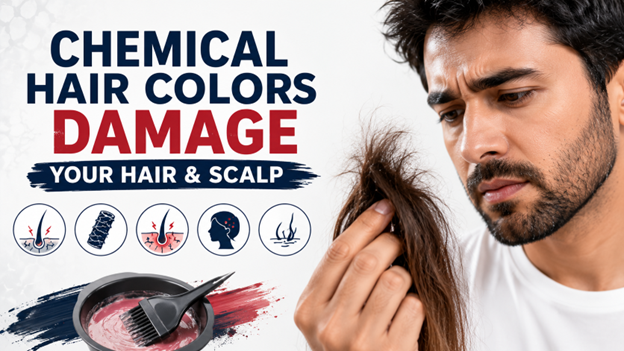
Hair coloring is one of the most common ways to change your appearance, cover grey hair, or try a new style. However, frequent use of chemical hair colours can affect the strength, texture, and overall health of your hair and scalp.
Many people notice problems like dry hair, frizz, rough texture, split ends, itching, or scalp irritation after coloring. But an important thing to understand is that chemical hair color usually damages the hair shaft rather than permanently damaging the hair follicles responsible for hair growth.
So, how do chemical hair colors damage your hair and scalp health? Can hair dye cause permanent hair fall? And what steps can you take to protect your hair?
Let’s understand the science behind chemical hair damage.
How Does Chemical Hair Color Work?
To understand hair dye damage, it is important to know how hair coloring works.
Each hair strand has an outer protective layer called the cuticle. Beneath the cuticle is the cortex, which contains natural pigment (melanin) and provides strength to the hair.
Permanent hair colors and bleaching treatments work by chemically changing the hair structure.
Depending on the type of product, they may:
• Open the hair cuticle
• Remove natural pigment
• Deposit new color molecules
• Alter the hair’s internal structure
A simplified process looks like this:
Healthy Hair → Chemical Processing → Cuticle Changes → Pigment Modification → Increased Porosity → Dryness & Breakage Risk
The more frequently hair undergoes aggressive chemical treatments, especially bleaching, the higher the chance of cumulative damage.
How Do Chemical Hair Colors Damage Hair Texture?
One of the most noticeable effects of chemical hair coloring is a change in hair texture.
Repeated coloring can increase hair porosity, making it harder for the hair to retain moisture. As the cuticle becomes less smooth,
hair may become:
• Dry and rough
• Frizzy
• Difficult to manage
• Less shiny
• More prone to split ends
• Easier to break
This damage is more likely when hair coloring is combined with:
• Frequent heat styling
• Hair straightening treatments
• Curling irons
• Repeated bleaching
• Other chemical procedures
Hair Damage Progression:
Chemical Processing → Cuticle Damage → Moisture Loss → Rough Texture → Increased Friction → Hair Breakage
Bleaching generally causes more structural stress than regular hair coloring because it requires removing natural pigment from the hair shaft.
Chemical Hair Dye Side Effects on Hair and Scalp
Chemical hair color can affect both the hair shaft and scalp, but the effects are different.
Effects on Hair Shaft:
• Dryness
• Rough texture
• Frizz
• Reduced shine
• Split ends
• Breakage
Effects on Scalp:
• Itching
• Redness
• Burning sensation
• Irritation
• Contact dermatitis
• Allergic reactions in sensitive individuals
Understanding this difference is important because damaged hair and an irritated scalp may require different approaches.
Why Does My Scalp Burn After Hair Dye?
A mild tingling sensation may occur with some hair coloring products, but intense burning should not be considered a normal sign that the product is working.
Some permanent hair dyes contain ingredients such as para-phenylenediamine (PPD), which may trigger allergic contact dermatitis in some people.
If you experience:
- Severe burning
- Persistent itching
- Redness
- Swelling
- Blisters
- Rash
You should stop using the product and follow appropriate medical guidance.
Immediate medical attention may be needed if symptoms include:
- Facial swelling
- Difficulty breathing
- Lip or tongue swelling
- Widespread hive
Does Hair Dye Cause Permanent Hair Fall?
This is one of the most common concerns among people who color their hair.
The answer is:
Regular hair coloring usually does not directly cause permanent hair loss.
In many cases, what appears to be hair fall after coloring is actually hair breakage.
There is an important difference:
| Hair Shedding | Hair Breakage |
| Hair falls from the follicle | Hair shaft breaks |
| Usually full-length strands | Shorter broken pieces |
| May involve the hair growth cycle | Usually caused by damage to hair structure |
Severely processed hair can break at different lengths, making the hair appear thinner.
However, ongoing hair loss should not automatically be blamed on hair dye.
Other conditions such as:
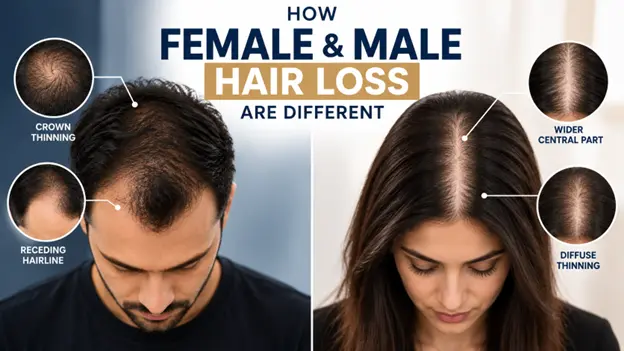
- Male pattern hair loss
- Female pattern hair loss
- Telogen effluvium
- Nutritional deficiencies
- Thyroid-related problems
- Alopecia areata
may also contribute to hair thinning.
Ingredients in Hair Color That May Cause Irritation
Different hair coloring products contain different chemical ingredients. Some people may be more sensitive to certain components.
Common ingredients associated with irritation include:
PPD (Para-Phenylenediamine)
PPD is commonly used in permanent hair dyes and can cause allergic reactions in sensitive individuals.
Hydrogen Peroxide
Used mainly for lightening hair, hydrogen peroxide can contribute to dryness and structural damage when used repeatedly.
Ammonia
Some hair colors use ammonia to help open the cuticle and allow color penetration. This process can increase dryness and roughness in some hair types.
Not everyone will experience the same reaction. Hair condition, frequency of coloring, and product type all influence the level of damage.
How to Protect Your Scalp While Coloring Hair
If you regularly color your hair, the goal should be reducing unnecessary damage.
Follow these precautions:
1. Avoid Coloring an Irritated Scalp
Do not apply chemical hair color on a scalp that has cuts, wounds, or active irritation.
2. Perform Allergy Testing
Always follow the manufacturer’s instructions regarding patch testing before using a new hair color product.
3. Avoid Overprocessing
Do not leave chemical products on longer than recommended.
4. Be Careful With Bleaching
Repeated bleaching of already-lightened hair can increase breakage risk.
5. Reduce Heat Styling
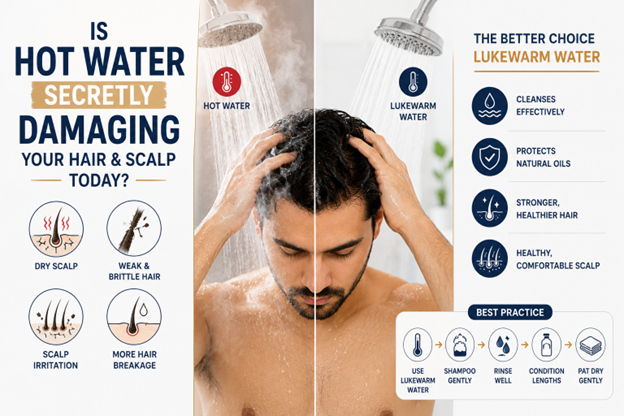
Limit excessive use of straighteners, curling irons, and high heat after coloring.
6. Maintain Proper Hair Care
Use suitable conditioning products and handle colored hair gently.
How to Repair Hair After Chemical Damage?
A damaged hair strand cannot completely repair itself because the visible hair shaft is not living tissue.
However, proper care can improve the appearance and manageability of damaged hair.
You can reduce further damage by:
For Dry Hair:
Use moisturizing conditioners regularly.
For Frizz:
Use leave-in conditioners or smoothing products.
For Rough Texture:
Reduce chemical treatments and heat exposure.
For Tangling:
Use gentle detangling methods.
For Split Ends:
Regular trimming can prevent splitting from travelling further.
For Breakage:
Reduce mechanical stress and avoid harsh styling.
The healthiest solution for severely damaged hair is often allowing new hair growth while gradually trimming damaged lengths.
Can Oils or Hair Masks Repair Chemical Hair Damage?
Hair oils, masks, and conditioning products can help improve:
- Softness
- Manageability
- Smoothness
- Moisture retention
However, they cannot completely restore severely damaged hair to its original condition.
These products help manage damage, but they do not reverse structural changes that have already occurred inside the hair shaft.
Healthy new hair grows from the follicle, while damaged portions of existing hair gradually need to be maintained or trimmed.
Is Hair Dye the Only Reason Behind Hair Loss?
Not always.
Many people assume that hair thinning after coloring is caused only by hair dye. However, an evaluation may reveal another underlying condition.
Possible causes include:
- Genetic hair loss
- Hormonal changes
- Stress-related shedding
- Nutritional deficiencies
- Scalp conditions
If hair loss continues even after stopping chemical treatments, it is important to identify the actual cause instead of assuming hair dye is responsible.
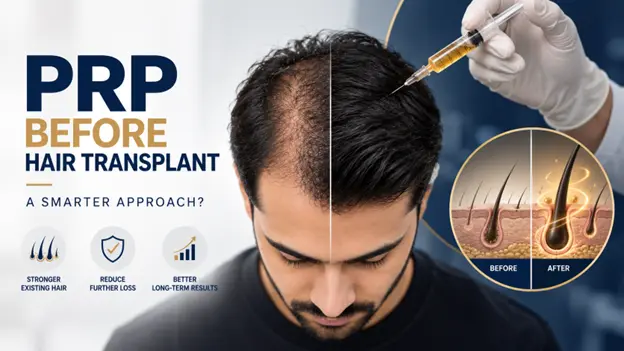
At RQC Hair Transplant Clinic, Surat, hair specialists evaluate different causes of hair loss and recommend suitable treatment options based on individual conditions, which may include medical treatments, PRP therapy, or hair restoration procedures when required.
When Should You See a Hair Specialist?
Consider professional evaluation if you experience:
- Persistent scalp burning or itching
- Severe redness or swelling
- Bald patches
- Sudden excessive shedding
- Progressive hair thinning
- Hair loss continuing after stopping hair coloring
A specialist can help determine whether the problem is related to chemical damage, scalp irritation, or another hair-loss condition.
Common Hair Color Myths
Myth: Hair dye always causes permanent hair loss
Reality:
Most hair dye-related problems involve dryness and breakage rather than permanent follicle damage.
Myth: Burning means the hair color is working
Reality:
Significant burning may indicate irritation or an allergic reaction.
Myth: Ammonia-free hair color cannot damage hair
Reality:
Ammonia-free products may still contain other chemicals that can affect hair condition.
Myth: Hair oil can completely repair damaged hair
Reality:
Oils can improve softness but cannot fully restore severely damaged hair structure.
Final Thoughts
Chemical hair colors can help improve appearance and confidence, but repeated or aggressive chemical processing may affect hair texture, strength, and scalp comfort.
Understanding the difference between hair damage and true hair loss is important. Hair dye commonly causes dryness, roughness, frizz, and breakage, while permanent hair loss usually involves other factors affecting the hair follicle.
The best approach is prevention: avoid unnecessary chemical treatments, protect your scalp, maintain proper hair care, and seek professional advice if you notice persistent shedding or thinning.
If you are experiencing ongoing hair loss or scalp concerns, a proper evaluation can help identify the real cause and guide you toward the right solution.
