Recent Posts
What to Expect After a Hair Transplant: Post-Procedure Care & Results
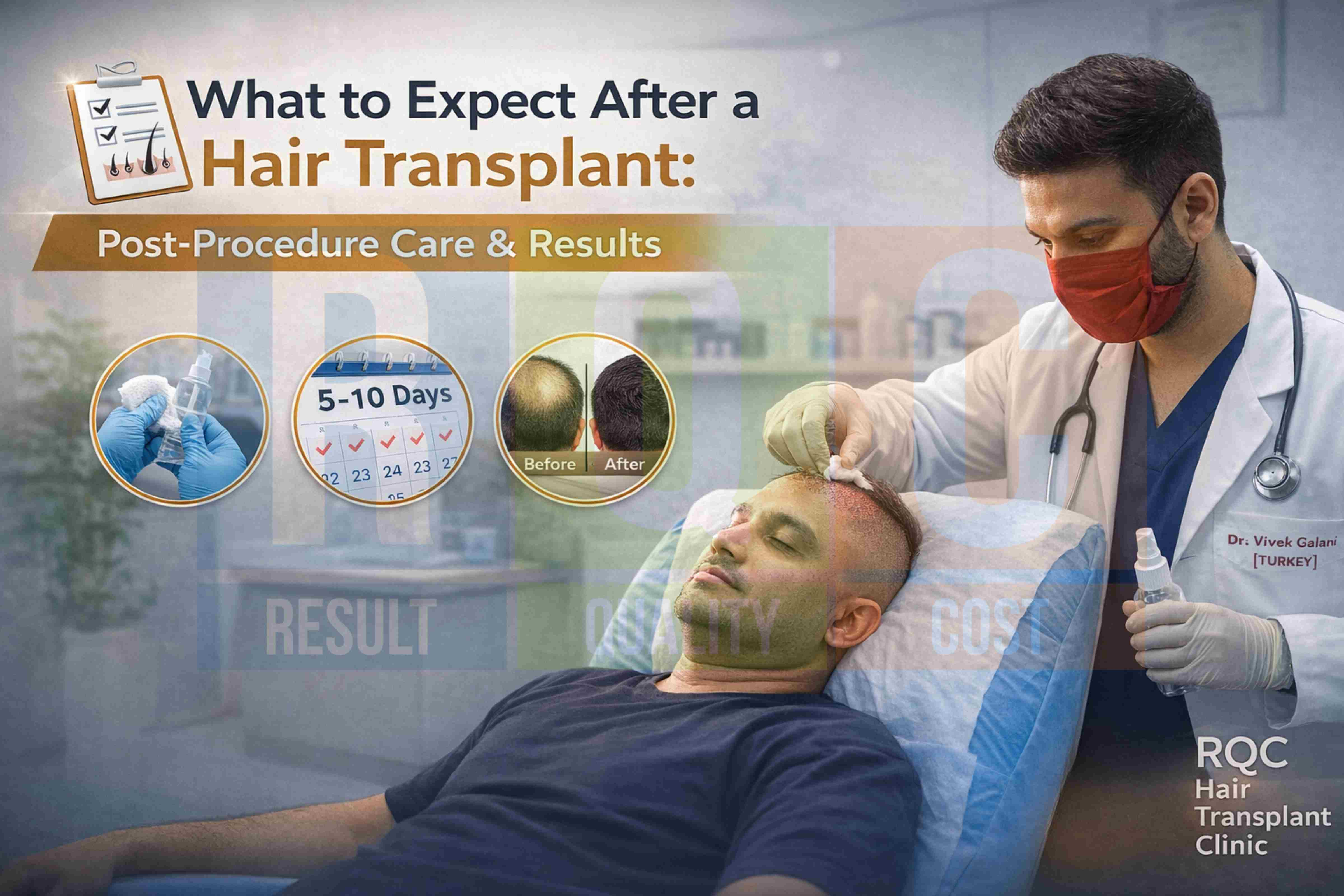
A hair transplant is a carefully planned medical procedure, but the real success of the transplant depends just as much on what happens after the surgery as it does on the surgery itself. Patients often ask what to expect after a hair transplant, how long the recovery period lasts, and when they can expect to see visible results.
This guide explains the hair transplant recovery process, realistic results timelines, common side effects, and essential post hair transplant care tips, so you can heal properly and achieve optimal outcomes.
Understanding the Immediate Post-Hair Transplant Phase
Immediately after a hair transplant, the scalp begins its natural healing process. Mild discomfort is expected, but severe pain is uncommon when the procedure is performed correctly.
What You May Experience in the First 72 Hours
● Mild soreness or tightness in donor and recipient areas
● Small scabs forming around transplanted grafts
● Temporary hair transplant swelling and redness, especially on the forehead
● Mild itching as healing begins
These symptoms are normal and usually resolve within a few days with proper care.
Hair Transplant Recovery Process: A Timeline
Understanding the hair transplant results timeline helps patients stay calm and confident during recovery.
Days 1-7: Healing & Protection Phase
● Scabs form and begin to fall naturally
● Patients must avoid touching or scratching grafts
● Sleeping with head elevation is advised
● Gentle washing starts as instructed by the clinic
Weeks 2–4: Shedding Phase (Shock Loss)
Many patients worry when transplanted hair starts falling. This is completely normal.
● Transplanted hairs shed
● Hair follicles remain alive under the scalp
● No damage to final results
This phase is temporary and expected in almost all cases.
Months 3–6: Early Hair Growth
● New hair begins growing slowly
● Hair may appear thin or soft initially
● Density improves gradually
Patience is essential during this stage.
Months 9–12: Final Results
● Hair thickens and matures
● Texture and direction normalize
● Full cosmetic improvement becomes visible
This is when hair transplant before and after results can be properly evaluated, and if needed, Hair Transplant Correction can be considered.
Hair Transplant After Care: Essential Guidelines
Correct hair transplant after care ensures high graft survival and better final density.
Washing Instructions
● First wash only as advised (usually after 48-72 hours)
● Use mild shampoo
● No rubbing or pressure on grafts
Medication Compliance
● Antibiotics and anti-inflammatory medicines
● Saline spray to keep grafts hydrated
● Pain medication if prescribed
Lifestyle Restrictions
● Avoid the gym, swimming, alcohol, and smoking initially
● No direct sun exposure for at least 2 weeks
These measures are part of every hair transplant clinic’s aftercare guide.
Post Hair Transplant Care Tips for Best Results
| Care Area | Recommendation |
| Sleeping | Head elevated for 5-7 days |
| Exercise | Resume after 10-14 days |
| Hair Products | Avoid gels, sprays, oils initially |
| Helmet Use | Avoid for at least 10 days |
| Haircut | Only scissors after 3-4 weeks |
Following these post hair transplant care tips significantly improves outcomes.
Hair Transplant After Care for Men
Men often ask about routine activities post-transplant.
● Shaving should be avoided for at least 3 weeks
● Beard trimming should be gentle and delayed
● Helmets should be avoided until swelling subsides
● Work can usually resume in 2-5 days
Proper hair transplant after care for men ensures faster healing without graft disturbance.
Managing Hair Transplant Swelling and Redness
Hair transplant swelling and redness typically appear within the first 3-4 days.
How to Reduce Swelling
● Sleep with head elevated
● Apply cold compress (forehead only, not grafts)
● Stay hydrated
● Take prescribed anti-inflammatory medicines
Redness may last longer in fair-skinned individuals, but it fades naturally.
When to Contact Your Hair Transplant Clinic
Contact your clinic if you experience:
● Persistent pain beyond a week
● Signs of infection (pus, fever)
● Sudden excessive swelling
● Trauma to the grafted area
Choosing a reliable hair transplant clinic in Surat ensures easy access to follow-up and guidance during recovery.
Why Aftercare Quality Matters as Much as Surgery
A technically perfect transplant can still fail without proper aftercare. Clinics that prioritize structured recovery protocols deliver better outcomes.
A professional clinic provides:
● Written aftercare instructions
● Follow-up visits
● Medication guidance
● Long-term monitoring
This is why selecting a clinic with a strong aftercare guide is essential.
Conclusion
Understanding what to expect after a hair transplant allows patients to recover confidently and avoid unnecessary anxiety. The hair transplant recovery process is gradual, but with proper aftercare, swelling management, and patience, results can be life-changing.
Hair restoration is not a one-day event - it is a journey. Proper post-procedure care is the foundation of natural, long-lasting results.
If you are planning or have recently undergone a transplant, ensure you follow professional guidance from a trusted hair transplant clinic in Surat to achieve the best possible outcome.
Professional Advice
A successful transplant depends on:
● Correct surgical technique
● High graft survival
● Strict adherence to aftercare
● Regular follow-ups
If you have questions during recovery, always consult your treating clinic rather than relying on unverified advice.
