Recent Posts
Does Alcohol Affect Your Hair Transplant Recovery? | RQC
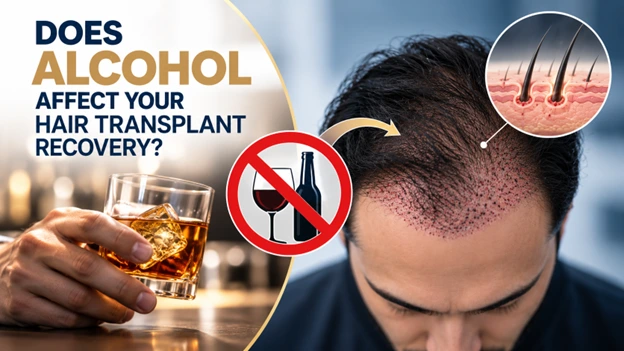
A hair transplant does not end when the procedure is completed. The first few days after surgery matter a lot, because the scalp is healing and the newly implanted grafts are still settling into the recipient area.
One question patients ask again and again is:
"Can I drink alcohol after a hair transplant?"
So, does alcohol affect your hair transplant recovery? It can, but not in the way many people fear. Alcohol does not automatically destroy transplanted follicles. The real concerns are bleeding, dehydration, medicine interactions, poor sleep, and the chance of being careless with your grafts after a drink.
That is why it is generally advisable to avoid alcohol around your hair transplant and follow your surgeon's specific instructions on when you can safely drink again.
Quick Answer
Avoid alcohol for at least one week after a hair transplant, and follow your surgeon's instructions for the period before surgery. At RQC Hair Transplant & Skin Clinic, patients are advised to stay off alcohol for at least 7 days after the procedure. One accidental drink does not mean your transplant has failed, but alcohol can affect bleeding, hydration, medicines, and recovery, so it is better not to take the risk.
Why Are the First Few Days After Hair Transplant Important?
During a hair transplant, follicles are extracted from the donor area and implanted into tiny recipient sites. Immediately after surgery, these areas begin healing.
During the early recovery period, you may notice:
- Mild redness
- Small crusts around the grafts
- Temporary swelling
- Mild scalp sensitivity
- Tightness in the donor area
These symptoms can occur during normal recovery, although how strong they are and how long they last differs from patient to patient.
The new grafts also need protection from rubbing, scratching, pressure, and other trauma. That is why the early postoperative period is the time to avoid anything that could get in the way of smooth healing. For a full list of precautions, read our hair transplant aftercare instructions.
How Can Alcohol Affect Hair Transplant Recovery?
Alcohol does not affect every patient in the same way. The effect depends on how much you drink, when you drink, your medical history, and the medicines you are taking. Smoking and alcohol can both slow down healing and increase the risk of complications after surgery, which is why clinics advise patients to avoid them.
1. Alcohol May Increase Bleeding or Oozing
Alcohol can widen blood vessels, and it may affect bleeding, especially around the time of surgery. After a transplant, the scalp has many tiny healing sites, so extra bleeding or oozing can make aftercare harder.
This is one reason surgeons commonly advise avoiding alcohol before and immediately after hair transplant surgery. If you notice bleeding that is persistent or unusual, contact your clinic.
2. Alcohol Can Contribute to Dehydration
Good hydration helps the body recover. Alcohol can contribute to dehydration, particularly when you drink larger amounts.
After surgery, it makes more sense to focus on:
- Water
- Regular meals
- Adequate sleep
- Your prescribed medicines
- Proper postoperative care
Drinking enough water supports normal body functions, but it does not guarantee graft survival or faster hair growth.
3. Alcohol May Interact With Your Medicines
Depending on your procedure and your surgeon's protocol, you may be given medicines after a hair transplant. These can include:
Pain-relief medicine
Antibiotics, when indicated
Anti-inflammatory or other postoperative medicines
Alcohol may interact with some medicines or make their side effects worse. For example, it can increase dizziness or drowsiness. So do not combine alcohol with postoperative medicine unless your treating doctor has confirmed that it is safe.
Never skip or change a prescribed medicine just to make room for a drink. If you are unsure, ask your surgeon or pharmacist.
4. Alcohol May Affect Sleep and Recovery
Alcohol can make you feel sleepy at first, but it often disturbs sleep later in the night.
This matters because your sleeping position is part of aftercare. The patient guide advises sleeping face up, on your back, for the first week, and keeping your head elevated with a neck pillow for 10 days, so that the grafts are not pressed against the pillow.
5. Alcohol Can Make You Less Careful With Your Grafts
This point is simple but important. After drinking, you may be more likely to:
- Scratch your scalp without realising
- Rub the transplanted area
- Forget your medicines
- Sleep in the wrong position
- Ignore your aftercare instructions
The patient guide asks you not to touch the transplanted area for 2 weeks, except while washing as advised, because touching can displace newly implanted grafts. Small mistakes like these matter more than many patients realise.
Does Alcohol Affect Hair Transplant Graft Survival?
Alcohol should not be described as something that automatically kills transplanted grafts. Graft survival depends much more on factors such as:
- Safe extraction
- Proper graft handling
- Appropriate graft storage
- Correct recipient-site creation
- Careful implantation
- Surgeon and team expertise
- Early postoperative protection
Heavy drinking is something surgeons take into account when assessing surgical risk. But it would be wrong to claim that one drink wipes out your transplant.
The more accurate way to see it is this: alcohol can add avoidable variables during the healing period, and there is little benefit in taking that risk right after investing your time and effort in the procedure.
When Can I Drink Alcohol After Hair Transplant? How Long to Avoid It
There is no single timeline that should be applied blindly to every patient. Your surgeon may recommend a different period depending on:
- The procedure performed
- The medicines prescribed
- Your general health
- How your healing is progressing
- Your clinic's postoperative protocol
At RQC Hair Transplant & Skin Clinic, the patient guide recommends avoiding alcohol for at least one week after a hair transplant, because drinking during this week can hamper healing. Here is a simple overview:
| Stage | Alcohol guidance |
| Before surgery | Avoid, as per your clinic's pre-operative instructions |
| Day of surgery | Avoid |
| First 7 days after surgery | Avoid completely |
| After the first week | Resume only after your surgeon confirms it is appropriate |
Completing one week does not automatically make alcohol safe for every patient. If you are still taking medicines, or your scalp is not healing as expected, ask your surgeon before you start drinking again. Your own surgeon's instructions always take priority over a general timeline found online.
If you regularly drink large amounts of alcohol, tell your surgeon before the surgery. If you may be physically dependent on alcohol, speak to a doctor before stopping suddenly, because alcohol withdrawal can be dangerous.
Can I Drink Beer After a Hair Transplant?
Beer has less alcohol than spirits, but it is still alcohol. The same precautions apply to beer, wine, whisky, and any other alcoholic drink during the recommended recovery period.
What If I Accidentally Drink Alcohol After Hair Transplant?
Do not automatically assume that your transplant has failed. One drink does not mean that all your grafts are lost. What matters now is to avoid further risk. Here is what to do:
- Stop drinking for now.
- Keep following your aftercare instructions and protect the transplanted area.
- Check your medicines. If you are taking postoperative medicines, ask your surgeon or pharmacist about interactions.
- Do not change or skip any medicine on your own.
- Contact your clinic if needed. Tell them how much you drank, when you drank it, and which medicines you are taking.
Seek urgent medical help if you have severe symptoms, heavy or persistent bleeding, difficulty breathing, or any other serious reaction. Do not try to make up for the drink with extra medicine or unapproved remedies.
What Else Should You Avoid During Hair Transplant Recovery?
Alcohol is only one part of aftercare. The patient guide at RQC lists these timelines for the early recovery period:
| Precaution | Timeline in the patient guide |
| Alcohol | At least 1 week after surgery |
| Smoking | At least 1 week after surgery |
| Touching the transplanted area | 2 weeks, except while washing as advised |
| Scratching | 1 month |
| Intense exercise and sports | 1 month (light walking is possible from day 4) |
| Swimming | 1 month |
| Direct sunlight | 2 months |
A few reasons behind these rules:
- Smoking: Nicotine narrows blood vessels, which can delay recovery and affect new hair growth.
- Heavy exercise: Intense sports can cause excessive sweating or knocks to the head.
- Direct sunlight: Too much sun can damage the scalp surface and affect hair texture.
- Hair washing: Use water poured gently from a tub, not a forceful shower or tap, and let scabs loosen during washes instead of picking them.
Your surgeon's instructions for your own case come first. For more practical advice, read our hair transplant recovery and care tips.
Simple Hair Transplant Recovery Checklist
Your early recovery does not need to be complicated. Focus on the basics:
- ✓ Follow your surgeon's instructions
- ✓ Take prescribed medicines correctly
- ✓ Stay well hydrated and eat regular meals
- ✓ Protect the grafts from rubbing and scratching
- ✓ Follow the recommended hair-washing routine
- ✓ Sleep as instructed during the early period
- ✓ Avoid strenuous activity until your surgeon allows it
- ✓ Avoid alcohol until your surgeon says it is appropriate
Good aftercare is mostly about protecting the work that has already been done.
Alcohol After Hair Transplant: Myth vs Fact
| Myth | Fact |
| One drink automatically destroys all transplanted grafts. | No. Alcohol does not automatically mean graft failure. |
| Alcohol has no relevance once surgery is over. | It can matter for bleeding, medicine interactions, hydration, and how carefully you follow aftercare. |
| Alcohol directly kills every transplanted follicle. | That is an oversimplification. |
| Beer is safe because it is not hard liquor. | Beer contains alcohol, so the same precautions apply. |
| All medicines can be taken safely with alcohol. | Some medicines interact with alcohol. Check with your doctor or pharmacist. |
| Everyone can start drinking exactly on day 8. | The right time depends on your surgeon's advice, your medicines, and your healing. |
When Should You Contact Your Hair Transplant Clinic?
Contact your treating team if you notice:
- Persistent or unusual bleeding
- Swelling that is getting worse instead of better
- Severe or increasing pain
- Significant redness or discharge
- Fever or other possible signs of infection
- Accidental injury to the transplanted area
- A suspected medicine reaction
Severe symptoms or a serious reaction may need urgent medical care. If you are unsure whether something is normal, it is better to ask your surgical team than to rely on random advice online.
Doctor's Take
The goal is not to scare patients into thinking that one mistake will ruin their transplant. The aim is simpler: during the short early-healing period, remove avoidable risks.
You have already invested your donor follicles, your time, and your effort in this procedure. Giving your scalp the best possible recovery environment for the first week or so is a sensible trade-off.
Be honest with your surgeon about your drinking habits, follow the alcohol-free period you are given, and check for medicine interactions before you start again.
Final Thoughts
So, does alcohol affect your hair transplant recovery?
It can. Not because alcohol automatically destroys transplanted follicles, but because of bleeding or oozing, dehydration, medicine interactions, disturbed sleep, and accidental trauma to the new grafts.
The safest approach is simple: avoid alcohol for at least a week after surgery, or longer if your surgeon advises it, follow your aftercare, protect your grafts, and start drinking again only when it is medically appropriate.
A successful hair transplant depends not only on what happens in the operating room but also on how carefully you protect the result during recovery.
If you have questions about your own recovery plan, the team at RQC Hair Transplant & Skin Clinic, Surat, led by Dr. Vivek Galani, can guide you. The clinic's patient guide covers preparation, the first week, the first hair wash, and long-term care, and the team carries out the first hair wash and guides patients on washing at home.
