Recent Posts
Post-Surgery Care: Do's and Don'ts for Best Hair Transplant Results
A hair transplant is a major step toward restoring your hair and confidence. However, many patients are surprised to learn that the surgery itself is only half the journey. Proper post surgery care after hair transplant plays an equally important role in determining the final outcome.
Even the most advanced hair transplant procedure can be compromised if proper hair transplant aftercare is not followed. Patients who carefully follow recovery instructions often experience faster healing, improved graft survival, and the best results after hair transplant treatment.
If you are searching for:
● Post surgery care after hair transplant
● Do's and don'ts after hair transplant
● Hair transplant aftercare
● Best results after hair transplant
● Sleeping position after hair transplant
● Washing hair after hair transplant surgery
This comprehensive guide explains everything you need to know for a smooth recovery and successful outcome.
Why Hair Transplant Aftercare Is So Important
Immediately after surgery, transplanted grafts are delicate and require protection.
During the first few days:
● Grafts are not fully anchored
● New blood vessels begin forming
● Healing is actively taking place
● Follicles adapt to their new location
This is why proper hair transplant aftercare is essential for achieving natural-looking growth and long-term density.
Understanding the Hair Transplant Recovery Timeline
Knowing what happens during recovery helps patients stay confident and avoid unnecessary stress.
Hair Transplant Recovery Timeline
| Timeline | What Happens |
| Day 1-3 | Mild swelling, redness, healing begins |
| Day 4-7 | Small scabs form around grafts |
| Day 7-14 | Scabs gradually fall off |
| Week 2-4 | Temporary shedding phase |
| Month 3-4 | New hair growth begins |
| Month 6-9 | Visible improvement in density |
| Month 12-18 | Final results become visible |
Understanding this timeline is important for achieving the best results after hair transplant procedures.
Post Surgery Care After Hair Transplant: First 48 Hours
The first two days are critical.
Your goals should be:
✔ Protect grafts
✔ Avoid physical trauma
✔ Minimize swelling
✔ Follow medication instructions
Proper post surgery care after hair transplant during this period directly affects graft survival.
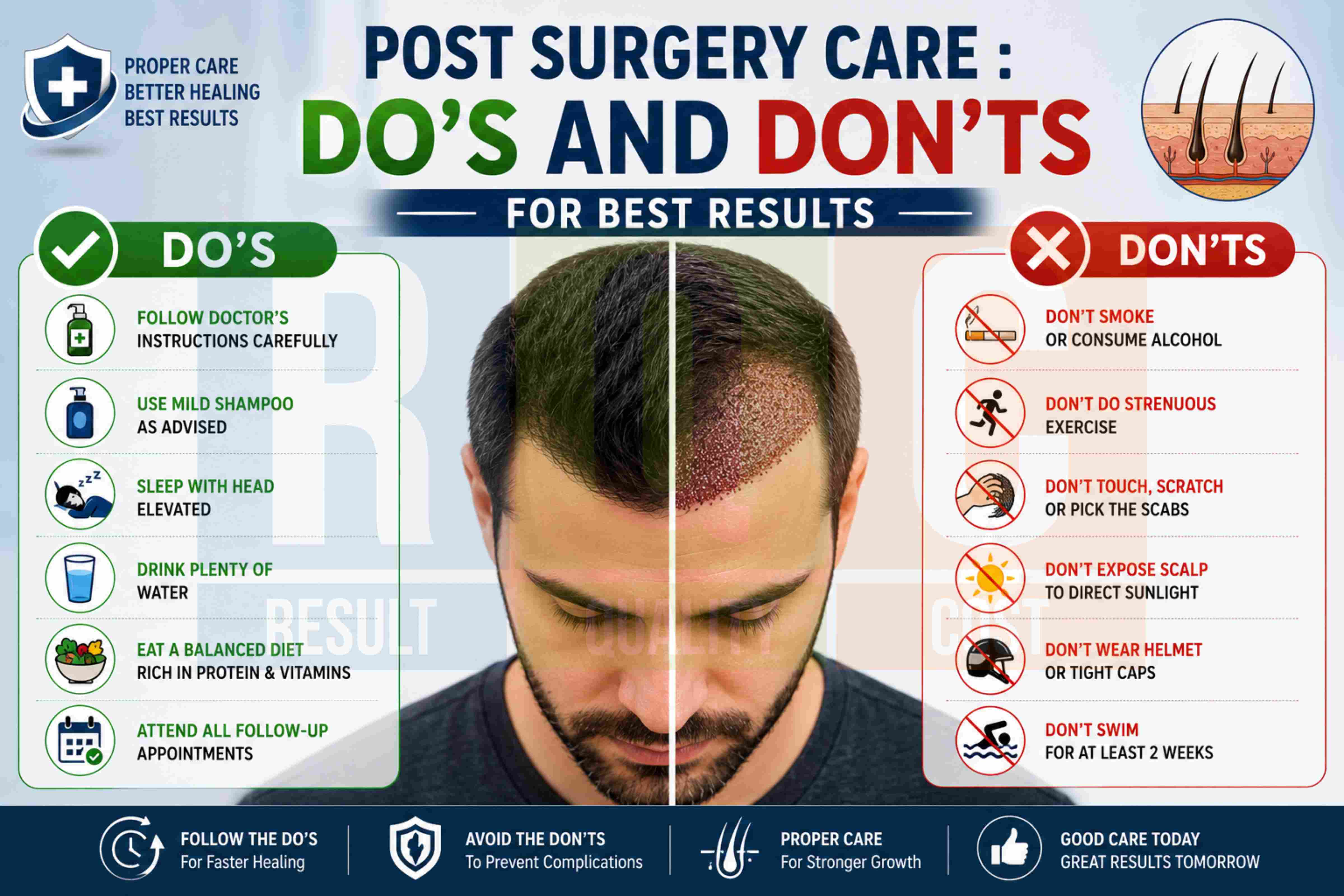
The Do's After Hair Transplant
✔ Take Medications as Prescribed
Your surgeon may prescribe:
● Antibiotics
● Pain medications
● Anti-swelling medications
These help reduce complications and support recovery.
✔ Keep Your Scalp Clean
Maintaining cleanliness is a key part of hair transplant aftercare.
Always follow clinic instructions regarding scalp washing and hygiene.
✔ Stay Hydrated
Hydration supports:
● Blood circulation
● Tissue repair
● Faster healing
✔ Eat a Protein-Rich Diet
Hair follicles require nutrients for healthy growth.
| Nutrient | Food Sources |
| Protein | Eggs, fish, chicken, paneer |
| Iron | Spinach, legumes, meat |
| Zinc | Nuts, seeds |
| Vitamin C | Citrus fruits |
Good nutrition helps patients achieve the best results after hair transplant recovery.
✔ Protect the Recipient Area
During the first few days:
● Avoid bumping your head
● Be careful while dressing
● Protect grafts from accidental contact
Sleeping Position After Hair Transplant
Your sleeping position after hair transplant surgery can significantly impact healing.
Improper sleeping positions may:
● Increase swelling
● Cause friction
● Disturb grafts
Recommended Sleeping Position
Head Elevated
▲
30 to 45 Degrees
▲
Neck Support Pillow
Why Elevation Helps
✔ Reduces swelling
✔ Improves comfort
✔ Protects newly transplanted grafts
Sleeping Position Guidelines
| Time After Surgery | Recommendation |
| Days 1-5 | Sleep elevated |
| Days 5-10 | Continue careful positioning |
| After 10 Days | Gradually return to normal |
Following the correct sleeping position after hair transplant helps support healthy recovery.
Washing Hair After Hair Transplant Surgery
Many patients worry about washing hair after hair transplant surgery.
The key is gentle handling.
Typical Washing Timeline
| Day | Recommendation |
| Day 1-2 | Usually avoid washing |
| Day 3-5 | Begin gentle washing |
| Day 7-10 | Scab removal begins |
| Day 10-14 | Normal washing gradually resumes |
Hair Washing Do's
✔ Use recommended shampoo
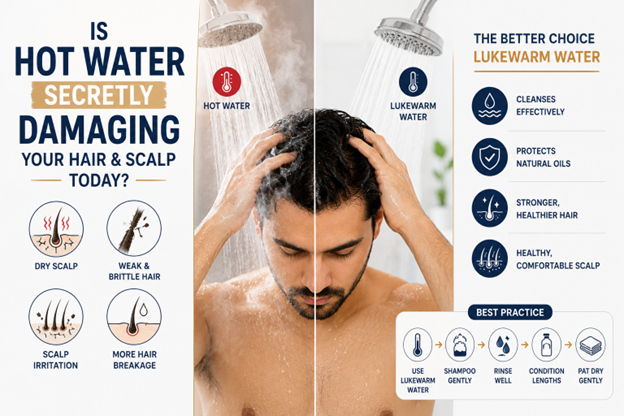
✔ Use lukewarm water
✔ Pour water gently
✔ Pat dry carefully
Hair Washing Don'ts
✘ Rub the scalp aggressively
✘ Use hot water
✘ Scratch scabs
✘ Apply harsh chemicals
Proper washing hair after hair transplant surgery protects grafts and supports healing.
The Don'ts After Hair Transplant
Understanding the do's and don'ts after hair transplant surgery is essential.
❌ Do Not Scratch the Scalp
Scratching may:
● Dislodge grafts
● Cause bleeding
● Increase infection risk
❌ Avoid Smoking
Smoking reduces blood circulation and oxygen delivery.
This can affect:
● Healing
● Hair growth
● Graft survival
❌ Avoid Alcohol
Alcohol may:
● Increase swelling
● Interfere with medications
● Slow recovery
❌ Avoid Heavy Exercise
During the first few weeks, excessive physical activity may affect recovery.
Exercise Timeline
| Activity | Resume After |
| Walking | 2-3 days |
| Light Exercise | 2 weeks |
| Heavy Gym | 3-4 weeks |
| Contact Sports | 1 month+ |
❌ Avoid Direct Sun Exposure
Fresh grafts are highly sensitive during recovery.
Swelling After Hair Transplant
Mild swelling is common and usually appears around:
● The forehead
● Around the eyes
Ways to Reduce Swelling
✔ Sleep elevated
✔ Take prescribed medications
✔ Stay hydrated
✔ Avoid excessive activity
Understanding Shock Loss
One of the most misunderstood parts of recovery is shock loss.
What Is Shock Loss?
Temporary shedding of transplanted hair after surgery.
Is It Normal?
Yes.
The follicles remain healthy beneath the skin and begin producing new hair later.
Shock Loss Timeline
| Timeline | Timeline |
| Weeks 2-8 | Shedding phase |
| Months 3-4 | Early regrowth |
| Months 6-9 | Significant growth |
| Months 12-18 | Final outcome |
How to Get the Best Results After Hair Transplant
The best results after hair transplant procedures come from combining:
- Excellent Surgery
- Proper Hair Transplant Aftercare
- Healthy Lifestyle
- Patience
= Best Results After Hair Transplant
Final Thoughts
A successful hair transplant depends on much more than the procedure itself. Following proper post surgery care after hair transplant significantly improves healing, graft survival, hair density, and long-term outcomes.
The first few weeks require patience and discipline, but the reward is stronger growth, healthier follicles, and the best results after hair transplant treatment.
Remember, surgery lasts one day, but recovery determines the outcome for years to come.
